Buying your first home in North Raleigh can feel exciting right up until the details start piling up. You may be wondering which area fits your routine, what kind of home makes sense, and how North Carolina’s due diligence process really works. The good news is that you do not need to figure it all out at once. With the right game plan, you can shop with more confidence and make smarter decisions from day one. Let’s dive in.
Why North Raleigh appeals to first-time buyers
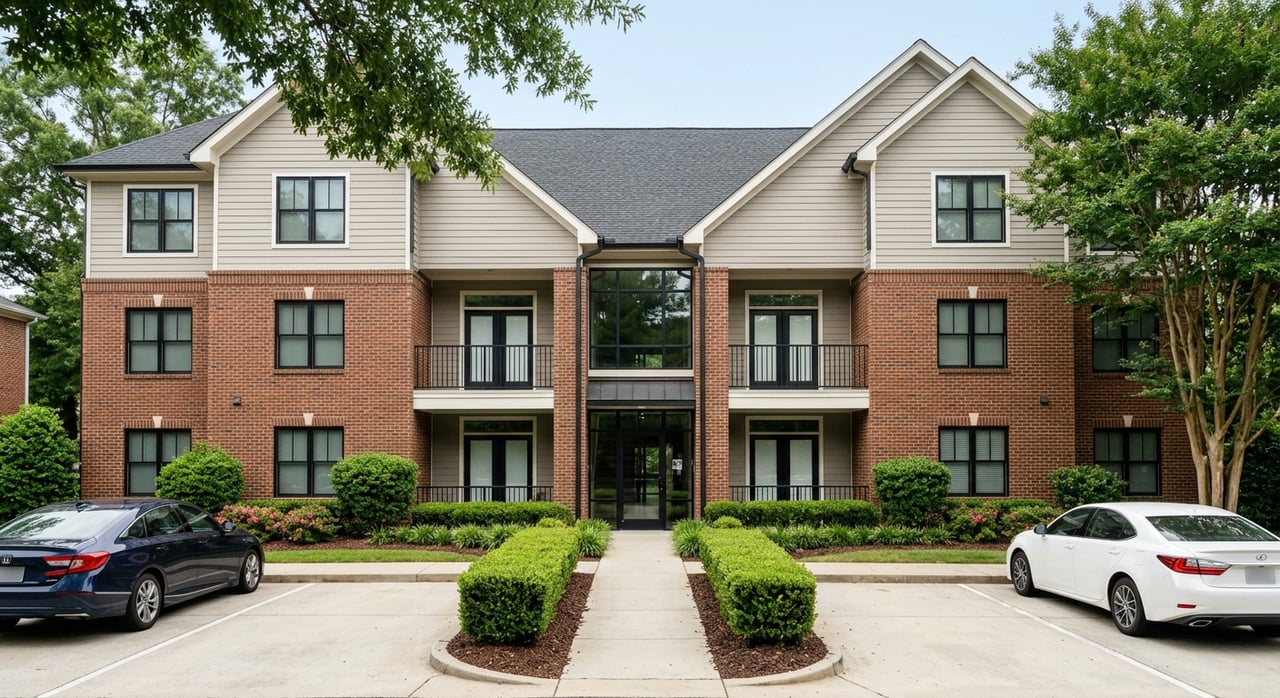
North Raleigh offers a suburban residential setting with a wide mix of housing choices and everyday conveniences. Raleigh planning materials describe single-family detached homes as the primary housing type, but the zoning code also allows attached houses, townhouses, apartments, cottage courts, and accessory dwelling patterns in different residential districts.
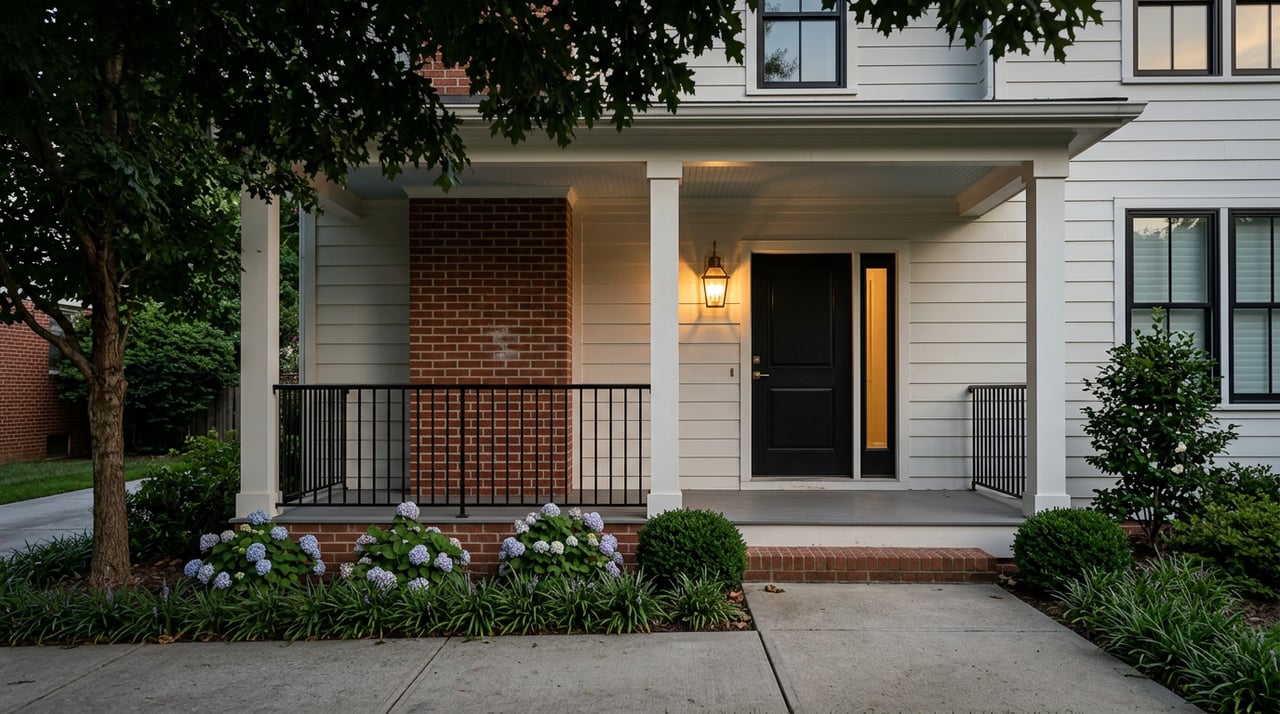
For you as a first-time buyer, that means North Raleigh is not one single housing product. You may find established subdivisions, updated resale homes, and newer construction depending on where you look. Raleigh planning materials also note that much of the housing stock was built after 1980, which can shape what you see in terms of floor plans, lot layouts, and maintenance needs.
Start with your commute corridor
One of the biggest mistakes first-time buyers make is choosing a home before understanding the routes they will actually drive. In North Raleigh, commute decisions often center on I-540 and NC 540, I-440, Capital Boulevard, Six Forks Road, Falls of Neuse Road, and U.S. 401.
Raleigh’s transportation planning highlights Capital Boulevard north of I-540, I-540 from Capital Boulevard to I-40, and U.S. 401 north of I-540 as important North Raleigh corridors. That matters because your day-to-day experience may depend less on mileage and more on which road carries most of your trip.
The area is also changing. Complete 540 opened phase 1 on September 25, 2024, and the project is scheduled for completion in 2028. The city also has current work on Capital Boulevard North between I-440 and I-540, and Six Forks Road improvements are focused on mobility and safety between Rowan Street and Millbrook Road.
Questions to ask about your route
Before you fall in love with a house, think through the practical side of getting around.
- Which major corridor will you use most weekdays?
- How much does travel time vary during rush hour?
- Will you need easy access to I-540, I-440, Capital Boulevard, Six Forks Road, Falls of Neuse Road, or U.S. 401?
- Are current road projects likely to affect your route in the near term?
Choose the right home type
Once you narrow your commute area, the next step is choosing the type of home that fits your budget and maintenance comfort level. In North Raleigh, you will likely compare detached homes with townhomes and other attached options near busier corridors.
A detached home may offer more yard space and privacy, but it can also come with more exterior upkeep. A townhome or other attached option may reduce some maintenance, but layout, parking, and lot use can vary. The best fit depends on how you want to live, not just what looks good online.
Think about maintenance early
As a first-time buyer, it helps to be honest about how much upkeep you want to handle. A newer home may have a different maintenance profile than an older resale property, even within the same part of North Raleigh.
As you compare homes, consider:
- Yard size and upkeep
- Exterior materials and visible wear
- Interior updates versus future repair needs
- Lot drainage and grading
- Proximity to higher-traffic corridors
Verify school assignment by address
If school assignment matters to your household, verify it on each property before you offer. Wake County assigns base schools by home address and provides an address lookup tool, so it is important not to assume assignment based on a subdivision or area name alone.
This step is simple, but it can prevent surprises. If you are comparing two homes that seem close together, their assigned schools may still differ based on the exact address.
Understand North Carolina due diligence
North Carolina’s process can feel unfamiliar if you are buying your first home. Under the standard North Carolina contract, you get a due diligence period to investigate the property and transaction. You may terminate for any reason or no reason by written notice before the due diligence deadline.
That flexibility is valuable, but it comes with a financial detail you need to understand clearly. The due diligence fee is typically paid directly to the seller at contract execution, and it is generally retained by the seller if you terminate during the due diligence period.
Due diligence fee vs. earnest money
These two terms are often confused, but they are not the same.
| Deposit | What it is | Where it goes | What happens if you back out |
|---|---|---|---|
| Due diligence fee | Payment for the buyer’s investigation period | Typically paid directly to the seller at contract execution | Generally retained by the seller if you terminate |
| Earnest money | Good-faith deposit | Usually held in a trust or escrow account when held by a broker | May be forfeited if the buyer breaches the contract |
If the sale closes, earnest money is credited toward the purchase price. When a broker holds earnest money, it is supposed to be deposited into a trust or escrow account within three banking days after contract formation.
Use due diligence wisely
The due diligence period is your time to slow down and verify what you are buying. North Carolina consumer guidance encourages buyers to ask questions, review documents, and order inspections to reduce the risk of serious or costly defects.
A strong due diligence plan often includes review of the home itself, the lot, and the larger transaction. This can include home, pest, septic, survey, appraisal, title-search, loan-qualification, and repair-negotiation review.
Inspections that may matter in North Raleigh
Not every house needs the exact same inspection strategy. The right mix depends on the age of the home, the lot, and the property features.
Common checks to consider include:
- General home inspection
- Pest inspection
- Septic review, if applicable
- Survey review
- Appraisal and financing review
- Title-search review
- Repair negotiation planning
In North Raleigh, it is also smart to pay close attention to grading, runoff, crawlspace moisture, and creek-adjacent conditions. Raleigh’s stormwater team has active North Raleigh projects responding to sink holes, streambank erosion, and a defective stormwater pipe on Bramblewood Drive and Rock Creek Drive. That does not mean every home has drainage problems, but it does make drainage and moisture a worthwhile inspection lens in some areas.
Look beyond the house
Your first home is also your everyday base. North Raleigh offers access to shopping, trails, parks, and transit options that can shape your routine as much as the home itself.
The City of Raleigh describes the Capital Boulevard North area as a regional shopping destination and a hub of small businesses. Raleigh’s greenway system has more than 100 miles of trails open from dawn to dusk, and North Raleigh recreation examples include Baileywick Park, Wakefield Trail, and Mine Creek Greenway.
For buyers who do not want to drive everywhere, GoRaleigh provides bus routes and trip planning tools. The Triangle Town Center park-and-ride is served by Route 1 Capital, Route 25L Triangle Town Center, and WRX, so transit access may be worth comparing if you want more flexibility in your commute.
Daily-life questions to ask
When you tour homes, think past the showing itself and picture a normal week.
- Where will you shop most often?
- Which parks or greenways are nearby?
- Is there a practical park-and-ride option?
- How long will your regular errands take?
- Does the location support your routine on weekdays and weekends?
A smart first-time buyer workflow
If you want a simple way to stay focused, use this order as you shop in North Raleigh. It matches how local housing choices, school assignment rules, corridor constraints, and due diligence work in practice.
1. Pick your corridor first
Start with the roads that shape your week. A home that looks ideal on paper may feel very different if the route does not fit your work, school, or daily habits.
2. Choose your housing type
Decide whether you want a detached home, a townhome, or another attached option. Think about cost, space, upkeep, and how long the home could work for you.
3. Verify the property details
Confirm school assignment by address if it matters to you. Review the lot, the home’s age and condition, and any factors that may affect maintenance or future costs.
4. Use due diligence to investigate
Order inspections, review documents, and ask direct questions. This is the stage where careful buyers protect themselves and make informed decisions.
Why patient guidance matters
First-time buyers usually do best with a process that feels clear, not rushed. North Raleigh offers real variety, but that also means your best choice depends on how you weigh commute, home type, location, and due diligence risk.
An education-first approach helps you connect the dots before you make an offer. When you understand the process and the tradeoffs, you can buy with more confidence and fewer surprises.
If you are planning your first purchase in North Raleigh, Live Raleigh can help you sort through neighborhoods, compare housing options, and build a buying plan that fits the way you actually live.
FAQs
What types of homes can first-time buyers find in North Raleigh?
- North Raleigh is primarily a single-family market, but buyers can also find attached houses, townhouses, apartments, cottage courts, and other residential options allowed in different zoning districts.
What should first-time buyers know about North Carolina due diligence?
- In North Carolina, the due diligence period gives you time to investigate the property and transaction, and you may terminate by written notice before the deadline, but the due diligence fee is generally retained by the seller if you back out.
What is the difference between due diligence fee and earnest money in North Carolina?
- The due diligence fee is typically paid directly to the seller at contract execution and is usually at risk if you terminate, while earnest money is a separate good-faith deposit that is generally credited toward the purchase price if you close.
What inspections are useful for a North Raleigh home purchase?
- Common due diligence checks can include a home inspection, pest inspection, septic review, survey, appraisal, title-search review, loan-qualification review, and repair-negotiation planning, with extra attention to drainage, runoff, and crawlspace moisture in some North Raleigh locations.
Why should first-time buyers focus on commute routes in North Raleigh?
- Major corridors such as I-540, I-440, Capital Boulevard, Six Forks Road, Falls of Neuse Road, and U.S. 401 can shape your daily experience, so route choice often matters as much as distance.
How can first-time buyers verify school assignment for a North Raleigh home?
- Wake County assigns base schools by property address, so you should verify each home through the district’s address lookup process rather than assume assignment from the neighborhood name alone.