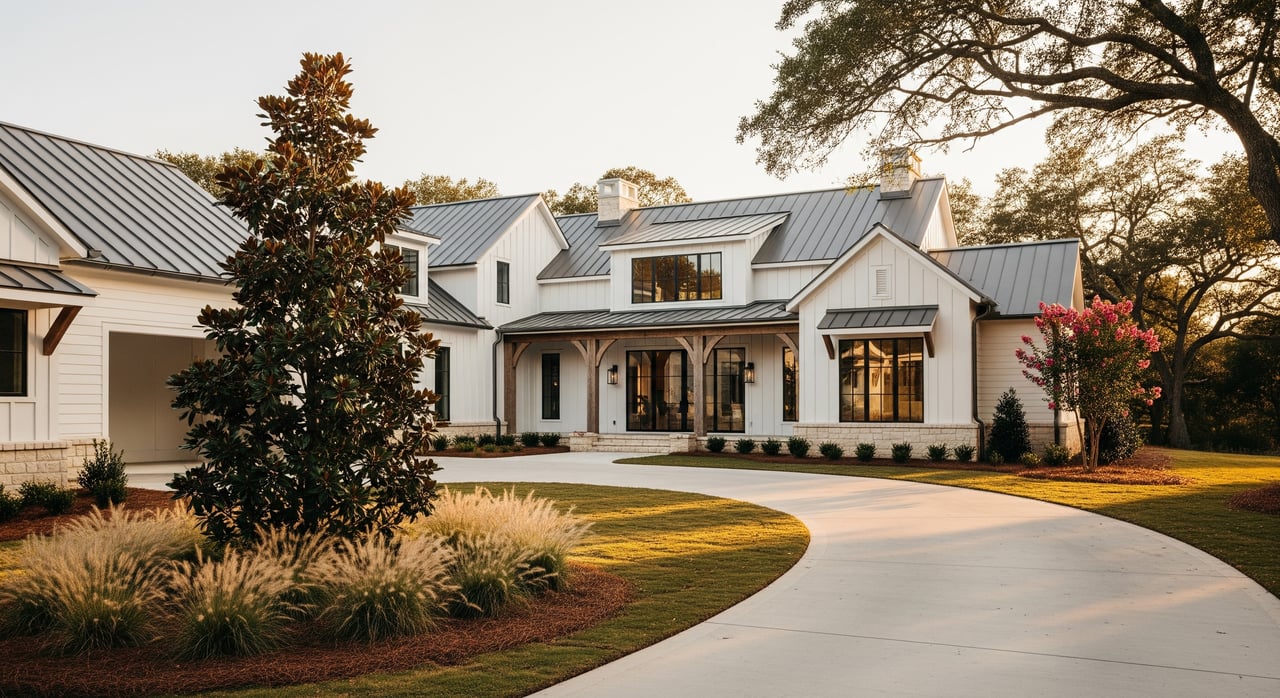
Thinking about building a new home in Holly Springs and wondering how long it really takes? You are not alone. New construction has clear steps, but the timeline depends on permits, community approvals, builder schedules, and your choices along the way. In this guide, you will see the full process from lot reservation to move-in, with realistic ranges, local checkpoints, and smart ways to keep things on track. Let’s dive in.
New construction timeline
Phase 0: Lot search and reservation
You start by choosing a community or infill lot and confirming zoning, utilities, and any HOA rules. Once you reserve a lot, you will typically place a deposit and prepare for the contract. Some spec homes are already underway and can close sooner. Typical timing: a few days to several weeks before moving to contract.
Phase 1: Contract and financing
You sign the purchase or build contract and pick your financing approach, such as a standard mortgage for a spec home or a construction-to-permanent loan for a ground-up build. Expect additional documentation if you choose construction financing. Ask about builder incentives and how deposits are handled. Typical timing: 2 to 6 weeks.
Phase 2: Design selections and options
You will choose structural options and finishes, including cabinets, countertops, flooring, and exterior colors. Builders set selection cut-off dates, and late changes can add cost and time. Custom homes require more design work. Typical timing: 2 to 6 weeks for production homes; longer for custom.
Phase 3: Permitting and HOA or ARC approvals
The builder submits plans for Town of Holly Springs permits and coordinates water or sewer taps, while the community’s HOA or Architectural Review Committee may review exterior plans. These reviews can run in parallel or sequence depending on the community. Processing times change with backlogs. Typical timing: 2 to 12+ weeks.
Phase 4: Site work and foundation
Crews handle clearing, grading, erosion control, utility stub-ins, and the foundation or slab. Weather and soil conditions can affect this stage. Municipal inspections cover footings and foundation work. Typical timing: 2 to 4 weeks.
Phase 5: Framing and exterior shell
Your home takes shape as framing, roofing, windows, and siding go in. Trades begin rough mechanical penetrations. Framing inspections are required before moving forward. Typical timing: 2 to 6 weeks.
Phase 6: Mechanical, electrical, and plumbing rough-ins
Electricians, plumbers, HVAC, and gas line installers complete the rough-in work. Inspectors must approve this stage before closing up walls. Scheduling multiple trades in sequence can impact timing. Typical timing: 2 to 4 weeks.
Phase 7: Insulation and drywall
Insulation is installed and inspected, then drywall is hung and finished. Proper air sealing and moisture control are confirmed before finishes begin. Typical timing: 1 to 3 weeks.
Phase 8: Interior finishes and exterior items
Cabinets, countertops, flooring, trim, paint, lighting, and appliances go in. Outside, grading, driveways, landscaping, and final utility connections wrap up. Finishes can vary widely in lead time. Typical timing: 3 to 8 weeks.
Phase 9: Punch list and Certificate of Occupancy
The builder creates a punch list and fixes minor items. The local building official performs the final inspection and issues a Certificate of Occupancy that allows move-in. Complex items can extend this phase. Typical timing: 1 to 3 weeks.
Phase 10: Closing and move-in
Your lender funds the loan, the deed is recorded, and you receive keys. You will also receive warranty details and a homeowner orientation. Typical timing: often within 1 week of CO, coordinated by all parties.
Phase 11: Warranty and follow-up
Most builders provide limited-term workmanship and systems coverage, plus a longer structural warranty. You may have scheduled walk-throughs at 30 to 120 days to handle minor items. Know how to submit service requests and time-sensitive claims.
Local approvals in Holly Springs
Town and county permits
Within town limits, the Town of Holly Springs Development Services reviews plans, issues building and trade permits, and performs inspections. Properties outside town limits may use Wake County Inspections. Water and sewer connections, stormwater controls, and erosion control can be part of the town’s review. Permit fees and schedules change, so plan ahead.
HOA and ARC reviews
Many master-planned communities in Holly Springs use an Architectural Review Committee. The ARC reviews exterior design elements such as materials, colors, roofing, fencing, and landscaping. Some HOAs require compliance before permits are pulled, and many have set submittal deadlines. Noncompliance can lead to delays or fines, so confirm responsibilities early.
Who handles approvals
In most production communities, the builder handles permitting and ARC submittals for standard plans. On custom lots, you or your architect may help manage submittals. Municipal inspections are mandatory, and you can still hire independent inspectors at key milestones.
Builder types and local context
Production builders
Production builders offer proven floor plans and finish packages with predictable pricing and incentives. You will see national and regional names active in Wake County. The trade-off is less customization but faster decisions and clearer schedules.
Semi-custom and custom
Semi-custom builders allow deeper finish choices and limited plan changes. Custom builders provide full design flexibility and often require a longer timeline, higher budget, and more buyer involvement in approvals and selections.
Master-planned communities
Master-planned neighborhoods in Holly Springs often include amenities like trails or pools and have stricter ARC guidelines. Lot premiums, incentives, and inventory levels change with market conditions. Compare total cost, including upgrades and lot premiums, to re-sale options.
Practical buyer checklist
Financing and contracts
- Decide on financing: standard mortgage for a spec home or construction-to-permanent loan for a ground-up build.
- Ask about builder lender incentives, upgrade credits, and deposit schedules.
- Review contingencies for delays, clear change-order pricing, and definitions of substantial completion.
Recommended inspections
- Independent inspections can add peace of mind even with municipal signoffs:
- Pre-pour footing or foundation
- Framing and rough-in stage
- Pre-insulation or insulation inspection
- Pre-drywall walkthrough
- Final home inspection near completion
Documents to review and keep
- Lot deed or plat and a survey
- Community CC&Rs, bylaws, and ARC guidelines
- Approved plans and any addenda
- Permit records and inspection signoffs
- Warranty documents and service procedures
- Utility tap or impact fee receipts, if applicable
- HOA contact info, assessment schedule, and move-in rules
Key questions to ask
- Builder: typical build time for your plan and lot, selection cut-off dates, change-order costs and lead times, warranty terms, and punch-list process.
- HOA or ARC: application deadlines, allowed exterior materials and colors, landscaping standards, and parking or construction restrictions.
- Town or County: current plan review times, required inspections, and fee schedules.
Negotiation points and costs to watch
- Lot premiums and structural upgrades
- Site costs like grading or rock removal
- Change orders and schedule impacts
- Utility tap fees and timing
- Allocation of closing costs in the contract
Walk-through and orientation
- Schedule a formal orientation before closing to learn systems and shutoffs.
- Document punch-list items in writing with target dates.
- Keep warranty contacts and procedures handy for service requests.
Common delays and how to avoid them
Frequent causes of delay
- Permitting backlogs or incomplete submissions
- HOA or ARC changes that require re-submittal
- Heavy rain that slows site work or foundation pours
- Utility coordination or road infrastructure scheduling
- Material lead times for windows, appliances, or specialty finishes
- Labor shortages among framing or specialty trades
- Buyer delays from late selections or financing
Mitigation strategies
- Get HOA, ARC, and Town requirements early so your plans match the rules.
- Put milestone dates and remedies in the contract when possible.
- Prioritize structural choices first and meet selection cut-off dates.
- Use local lenders familiar with construction-to-perm closings in Wake County.
- Schedule independent inspections at key stages to catch issues early.
- Build a move plan with a buffer for overruns, such as a short lease extension.
How long it really takes
- If you choose a spec or inventory home that is already built or close to finished, you can often close in 30 to 90 days.
- For a production home built on a contract lot with standard options, plan for about 6 to 10 months from contract to close, depending on approvals and builder workload.
- For semi-custom or custom builds, plan for 9 to 18+ months with more time dedicated to design, approvals, and specialized finishes.
Plan your next steps
A smooth build in Holly Springs comes down to planning. Confirm the approval path with the Town and your HOA, nail your selections on time, and build inspection checkpoints into your timeline. When you have a clear contract and a realistic schedule, you can make move-in planning feel manageable.
If you want a local guide who will walk the process with you from lot selection to CO and closing, connect with Live Raleigh. We bring an education-first approach, deep local knowledge, and hands-on support for new construction across the Triangle.
FAQs
What are the main stages in a Holly Springs new build?
- You move through lot reservation, contract and financing, design selections, permits and HOA approvals, site work, framing, rough-ins, insulation and drywall, finishes, inspections and CO, closing, then the warranty period.
How long do Holly Springs permits and HOA approvals take?
- Plan for roughly 2 to 12 or more weeks combined, depending on plan complexity, completeness, ARC timing, and local backlogs.
Do builders handle HOA and ARC approvals for me?
- In most production communities, yes, the builder manages submittals for standard plans, while custom or infill builds may require more buyer or architect involvement.
Should I hire my own inspector for a new home?
- Yes, many buyers use third-party inspections at key stages like framing, insulation, and final to supplement municipal inspections.
What financing works for new construction?
- Spec homes typically use a standard mortgage, while ground-up builds often use a construction-to-permanent loan that converts at completion.
When can I close after the Certificate of Occupancy?
- Many closings are scheduled within about a week of receiving the CO, coordinated among your lender, attorney, and the builder.
What warranties come with a new home?
- Many builders offer a structure similar to 1 year for workmanship, 2 years for systems, and 10 years for major structural items; confirm exact terms in your documents.