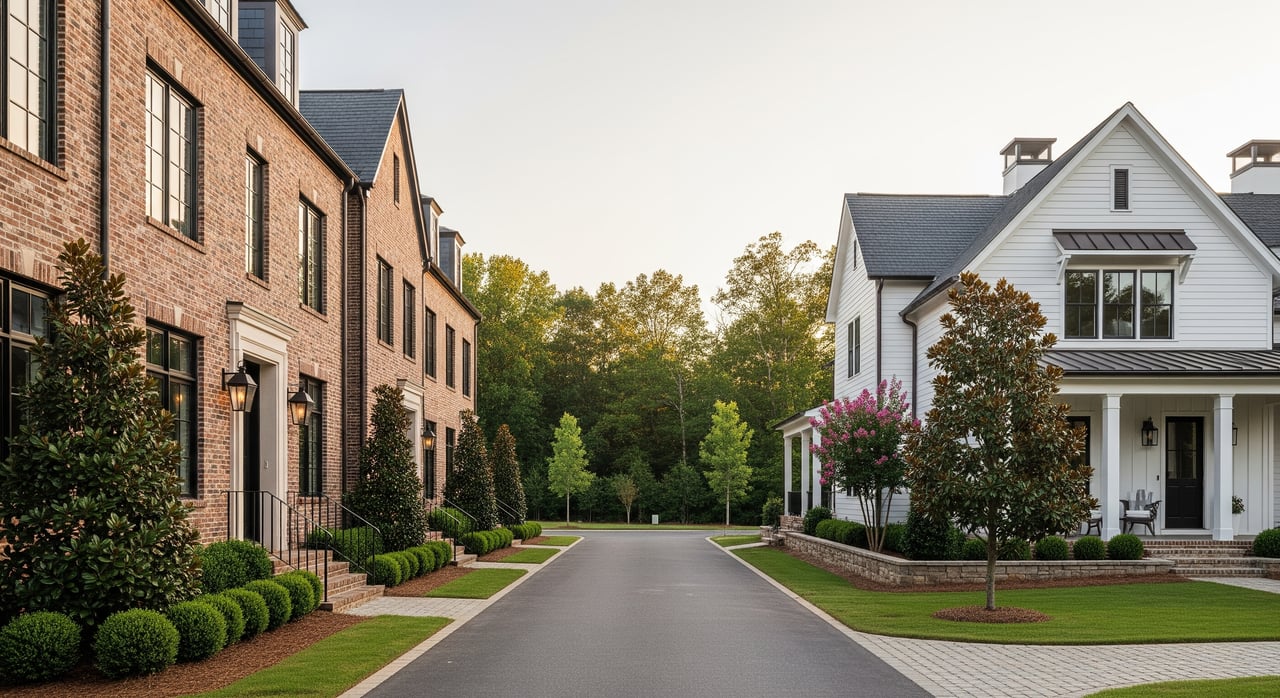
You love Brier Creek’s location near RDU and RTP, but you’re not sure if a townhome or a single-family house fits your lifestyle. You want easy commutes and low stress, yet you also value space and flexibility. In this guide, you’ll compare daily life, costs, HOA rules, and resale factors so you can choose with confidence. Let’s dive in.
Brier Creek at a glance
Brier Creek sits in northwest Raleigh with quick access to I‑540, I‑40, and RDU. Many buyers here are commuting professionals who value convenience, nearby retail, and shorter trips to the airport and RTP. You’ll find a mix of townhomes, patio homes, and traditional single‑family neighborhoods, often with community pools, sidewalks, and pocket parks.
Public transit exists but driving is usually faster for most commutes. School assignments fall under Wake County and vary by address. If schools matter to your decision, confirm the current assignment for each specific property.
Townhome vs house: daily life changes
Choosing between a townhome and a single‑family home in Brier Creek comes down to how you want to live week to week. Here’s how they differ in the factors buyers ask about most.
Purchase price
- Townhomes are often the entry to mid‑market choice, generally priced lower than comparable detached homes due to smaller lots and shared infrastructure.
- Single‑family homes typically cost more because of larger lots and more interior square footage.
Monthly costs
- Townhomes usually include a monthly HOA fee that can cover exterior maintenance, landscaping, trash, and sometimes roof or structural items depending on the association. Compare your mortgage, taxes, insurance, and HOA together.
- Single‑family homes may have lower or no HOA fees, but you’ll pay directly for yard care and exterior upkeep.
Maintenance and time
- Townhomes tend to be lower maintenance, ideal if you travel or prefer a lock‑and‑leave lifestyle. Exterior services are often covered by the HOA.
- Single‑family homes require you to handle the yard, exterior repairs, and systems. You get more control but should budget time or contractor costs.
Ownership and insurance
- Townhome ownership models vary. Some are fee simple, where you insure and maintain more of the structure. Others function like condo associations, where the HOA covers the building shell and you carry an interior policy. Always verify who maintains the roof, walls, and foundation.
- Single‑family homes typically use a standard homeowners policy that covers the entire structure and lot.
Space, privacy, and outdoor use
- Townhomes have shared walls and smaller outdoor areas. Sound transmission and limited yard space are common tradeoffs.
- Single‑family homes offer more space and privacy, better options for pets, gardens, entertaining, and future additions.
Parking and storage
- Townhomes often include a garage or assigned spaces. Guest parking can be limited and rules are common.
- Single‑family homes usually offer driveways, potential street parking, and room for storage sheds or larger gear, subject to local rules.
HOA rules and lifestyle
- Townhome communities often have stricter design and use standards, which keep appearances consistent but limit flexibility. Expect rules on paint colors, exterior changes, decks, satellite dishes, and more.
- Single‑family subdivisions may still have an HOA, but rules can be less restrictive than attached communities. Some Brier Creek areas belong to larger master associations, so read all documents before you buy.
Resale and rental potential
- Townhomes draw first‑time buyers, busy professionals, and some investors who want lower maintenance near major job centers. Rental rules vary, so check caps and minimum lease terms.
- Single‑family homes appeal to a broad buyer base and can command higher rents due to yard and space, though vacancy can be longer. Appreciation patterns depend on local supply, demand, and lot availability.
Accessibility and mobility
- Townhomes are often closer to mixed‑use retail and can simplify daily errands.
- Single‑family homes provide more room for mobility aids and future modifications if aging in place is a goal.
HOA due diligence: what to review
In Brier Creek, the HOA often defines your day‑to‑day experience, especially with townhomes. Ask for these documents before or during your due diligence period.
Request these documents
- Declaration/CC&Rs
- Bylaws and Rules & Regulations
- Meeting minutes from the past 12 months
- Current budget, financial statements, and reserve study
- Details on any special assessments, current or planned
- HOA insurance certificates
- List of upcoming capital projects
- Violation history and architectural review process
- Rental and lease policies
- Any notices of litigation involving the HOA
Key items to understand
- What the fee covers: exterior maintenance, roof, gutters, landscaping, trash, shared utilities, pool, and reserve contributions.
- Reserve health: low reserves plus deferred maintenance can lead to special assessments. Review the reserve study.
- Rental restrictions: look for caps, minimum lease terms, and any short‑term rental limits.
- Pet, parking, and exterior modification rules: these affect daily life and future projects.
Questions to ask the HOA or manager
- Who handles exterior, roof, and window replacement? What about driveways and decks?
- Are any utilities included, such as water, sewer, or trash?
- How are fee increases decided and how often do they occur?
- Are large expenditures or assessments planned in the next few years?
- What is the dues delinquency rate and how are rules enforced?
Municipal checks
- Confirm current school assignment by property address.
- Review Wake County tax records for property tax history.
- Verify zoning if you plan additions, accessory structures, or business use.
- Check local rules for short‑term rentals if you intend to rent.
Decision checklist: narrow your fit
Use this quick self‑assessment to clarify whether a townhome or a single‑family home fits you best in Brier Creek.
- Commute: what is your maximum acceptable time to RDU, RTP, and downtown?
- Maintenance: do you want hands‑off living, or do you prefer DIY control?
- Outdoor use: do you need a private yard for pets, gardening, or gatherings?
- Privacy and noise: are you comfortable with shared walls?
- Parking and storage: how many vehicles, and do you need room for gear or a workshop?
- Flexibility: do you plan to remodel or expand in the future?
- Monthly budget: mortgage, taxes, insurance, HOA fees, utilities, and maintenance.
- Investment: is this a primary residence, a rental, or a hybrid plan?
Touring and inspection priorities
Focus your showings and inspections on the areas that most affect your lifestyle and budget.
For townhomes
- Listen for sound transmission from neighboring units, stairwells, and plumbing.
- Inspect common elements: rooflines, gutters, siding, and driveways for signs of deferred maintenance.
- Confirm unit boundaries and who is responsible for what.
- Check parking availability for you and guests, and note any street or visitor rules.
- Review HOA financials and reserve status.
For single‑family homes
- Evaluate yard drainage, grading, and the health of trees near the home.
- Check roof and siding age, and the condition of the driveway.
- Review HVAC, water heater, and other systems for age and service history.
- Ask about easements, floodplain status, and any flood history.
For both
- Look for moisture, pests, foundation concerns, or mold.
- Confirm ages of major systems and gather receipts for recent work.
- Visit at different times of day to understand noise and traffic patterns.
Estimate your monthly cost
Build a side‑by‑side comparison for two or three properties. Include:
- Principal and interest
- Property taxes
- Homeowners insurance
- HOA or condo fee
- Utilities: electric, water/sewer, gas, trash
- Routine maintenance, landscaping, and pest control
- Repair reserve: plan higher reserves for single‑family homes
Tip: Create a simple worksheet so you can compare actual monthly totals for a townhome and a single‑family home in the same area.
Which should you choose?
- Choose a townhome if you want low‑maintenance living near major roads and retail, a potentially lower entry price, and you are comfortable with HOA rules and shared walls.
- Choose a single‑family home if you want outdoor space, privacy, and the freedom to customize, and you are willing to handle more maintenance.
In Brier Creek, both options work well for commuting professionals. The best choice is the one that aligns with your daily routine, budget, and long‑term plans.
Next steps in Brier Creek
- Get mortgage preapproval to define budget and loan type.
- Partner with a local agent who knows Brier Creek and can pull current comps and HOA documents.
- Select one townhome and one single‑family property with similar commute profiles and schedule tours.
- Request HOA documents early for any townhome you like.
- Ask your agent for tax history, recent comps, and days on market.
- Order a full home inspection and call in specialists as needed.
- Get insurance quotes for each property type to compare total cost.
- If you plan to rent, verify HOA rental rules and local requirements.
Ready to compare real homes side by side and tour the best matches for your lifestyle? Reach out to Live Raleigh for an education‑first consult and hyper‑local guidance in Brier Creek.
FAQs
What defines a townhome vs a single‑family home in Brier Creek?
- A townhome shares at least one wall and often has an HOA with exterior responsibilities, while a single‑family home is detached with the owner responsible for the entire structure and lot.
Are HOA fees always higher for townhomes in Brier Creek?
- Townhome communities commonly have monthly fees that cover exterior items and common areas, while single‑family homes may have lower or no HOA fees but higher out‑of‑pocket maintenance costs.
How close is Brier Creek to RDU and RTP for commuters?
- Many Brier Creek neighborhoods are within minutes of RDU and have direct access to I‑540 and I‑40, which supports commutes to RTP and Raleigh.
Do school assignments differ within Brier Creek?
- Yes, assignments vary by address within Wake County; check the specific property’s current assignment if schools factor into your decision.
Can I rent out a Brier Creek townhome?
- Many associations allow rentals with rules such as caps or minimum lease terms, so review the HOA’s rental policy before you buy.
Which has better resale in Brier Creek: townhomes or houses?
- Both can resell well depending on location, condition, and market cycles; single‑family homes often appeal to a broader buyer pool, while townhomes attract professionals seeking low maintenance near job centers.