Trying to choose between Fuquay-Varina’s historic core and its newer neighborhoods? You are not alone. Many buyers love this town’s small-town feel but quickly realize that "Fuquay-Varina" can mean two very different living experiences. This guide will help you compare Old Town and new communities so you can focus on the setting that fits your day-to-day life best. Let’s dive in.
How Fuquay-Varina Is Laid Out
Fuquay-Varina stands out because it has two downtown districts: Downtown Fuquay and Downtown Varina. The town defines downtown through its DC-1 and DC-2 zoning districts and continues to support mixed-use development, architectural continuity, and a pedestrian-friendly setting with places to live, shop, and gather.
A simple way to picture the town is this: the historic core is centered around Main Street and Broad Street, while many newer subdivisions and planned neighborhoods are located farther out, often beyond Judd Parkway. The town’s pedestrian plan notes that Judd Parkway forms a ring around downtown and helps mark the shift from the more walkable core to a more suburban landscape outside that ring.
That matters because your experience of Fuquay-Varina can change a lot depending on where you live. In some areas, you may be closer to shops, parks, and public spaces on a more connected street network. In others, you may find newer homes, neighborhood amenities, and a layout that is more centered on the subdivision itself.
What “Old Town” Means Here
When people talk about Old Town in Fuquay-Varina, they are usually describing the historic core near downtown. This area includes the Fuquay Springs Historic District and the older commercial areas tied to the town’s early development.
The Fuquay Springs Historic District is a roughly five-block area anchored by Fuquay Mineral Spring. According to the National Register nomination, the area is known for larger shaded lots, mature trees, a grid street pattern, and homes that often sit closer to the street than homes in newer subdivisions.
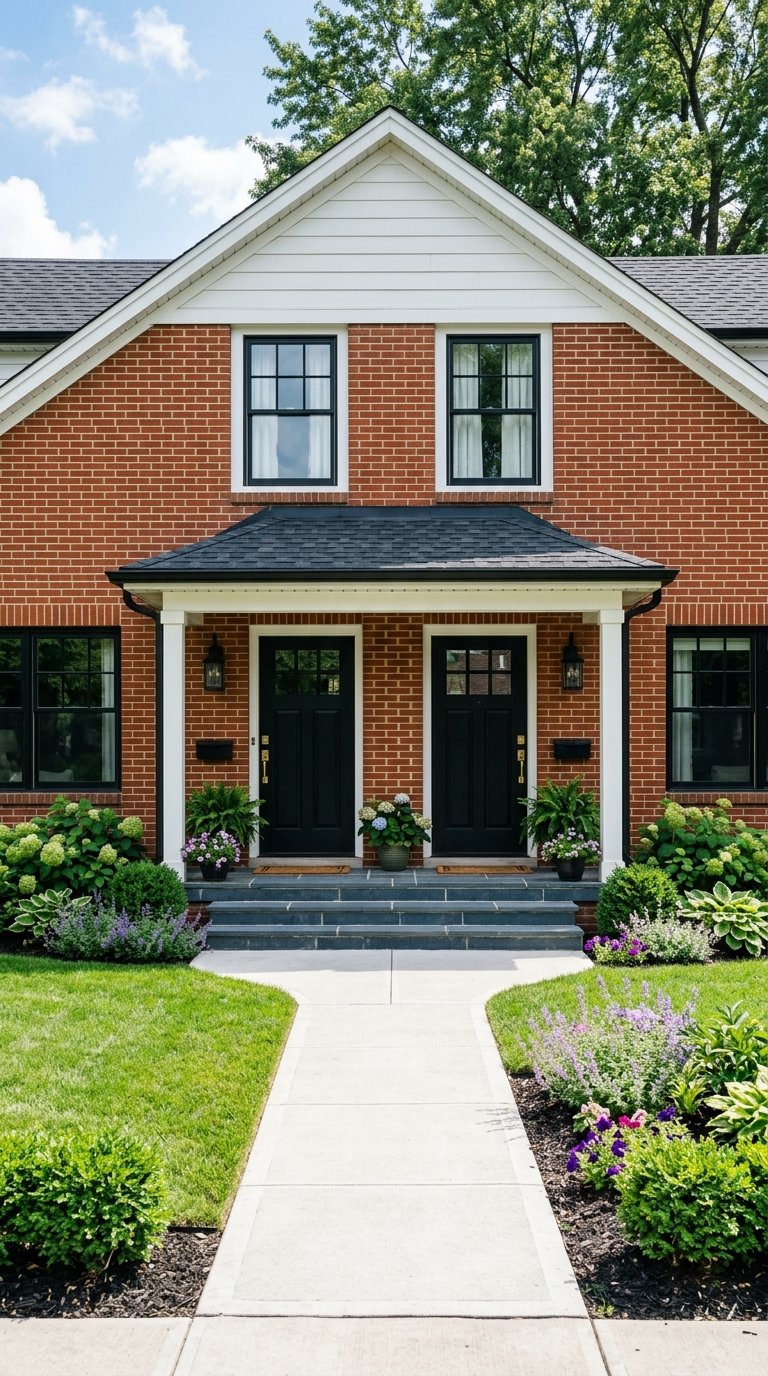
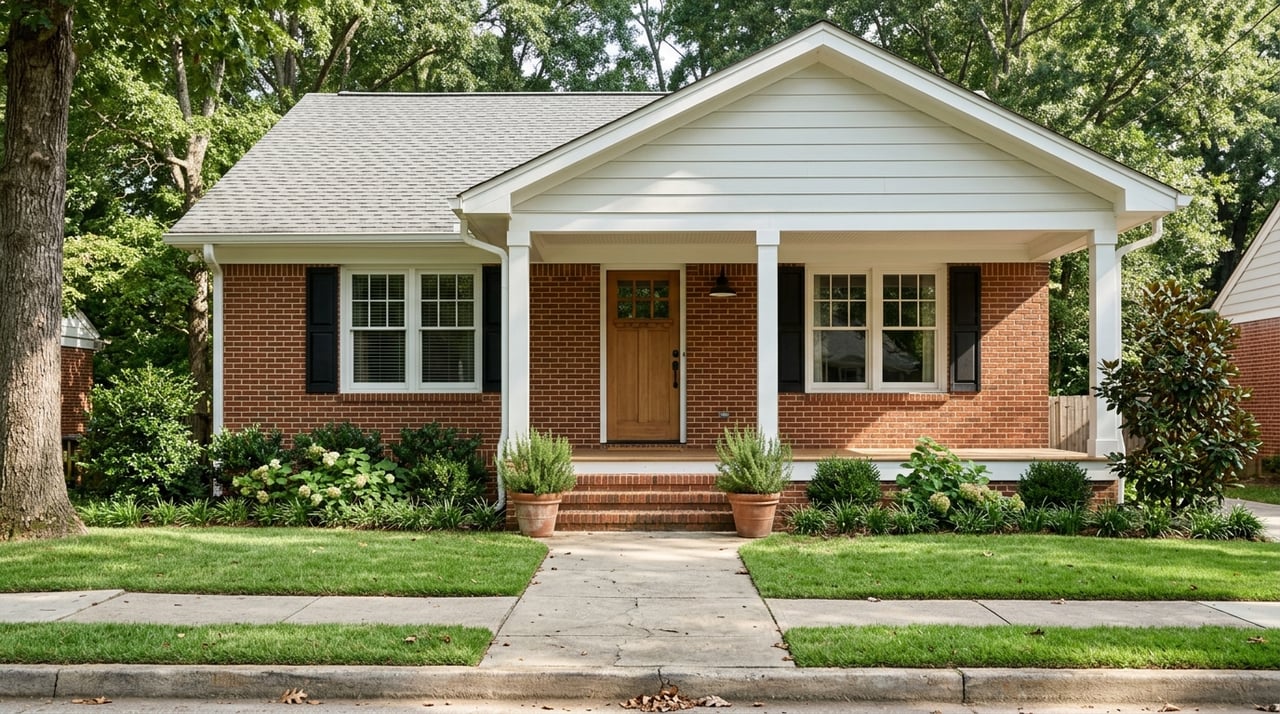
You will also find a mix of architectural styles that give the area a distinct look. The housing stock includes one- and two-story frame and brick homes, with examples of Queen Anne/Colonial Revival, Colonial Revival, and Craftsman architecture.
Downtown Varina adds another layer of character. The Varina Commercial Historic District includes one- and two-story brick buildings along Broad Street, with surviving structures dating from roughly 1910 to 1925 and roots in the railroad crossroads and tobacco economy.
What Daily Life Feels Like In Old Town
Old Town tends to feel more like a traditional small-town center. You will see shorter blocks, older homes, mature trees, and a closer relationship between homes, streets, and local businesses.
The town describes downtown as a place to visit, shop, eat, work, and play. Local anchors include the Fuquay Mineral Spring, Ashworth Park, the museum, the Arts Center, coffee shops, boutiques, breweries, and other dining and retail spots.
For many buyers, that creates a lifestyle that feels more connected to public spaces and local events. If you enjoy being near the historic heart of town and want a setting with a more traditional street pattern, Old Town may feel like a natural fit.
It is also worth noting that the historic core is not frozen in time. Fuquay-Varina continues to add downtown infill and mixed-use development, including projects like The Q, which combines retail, office, and residential space, as well as a larger planned downtown project with apartments, retail, and a public parking deck.
What New Communities Look Like
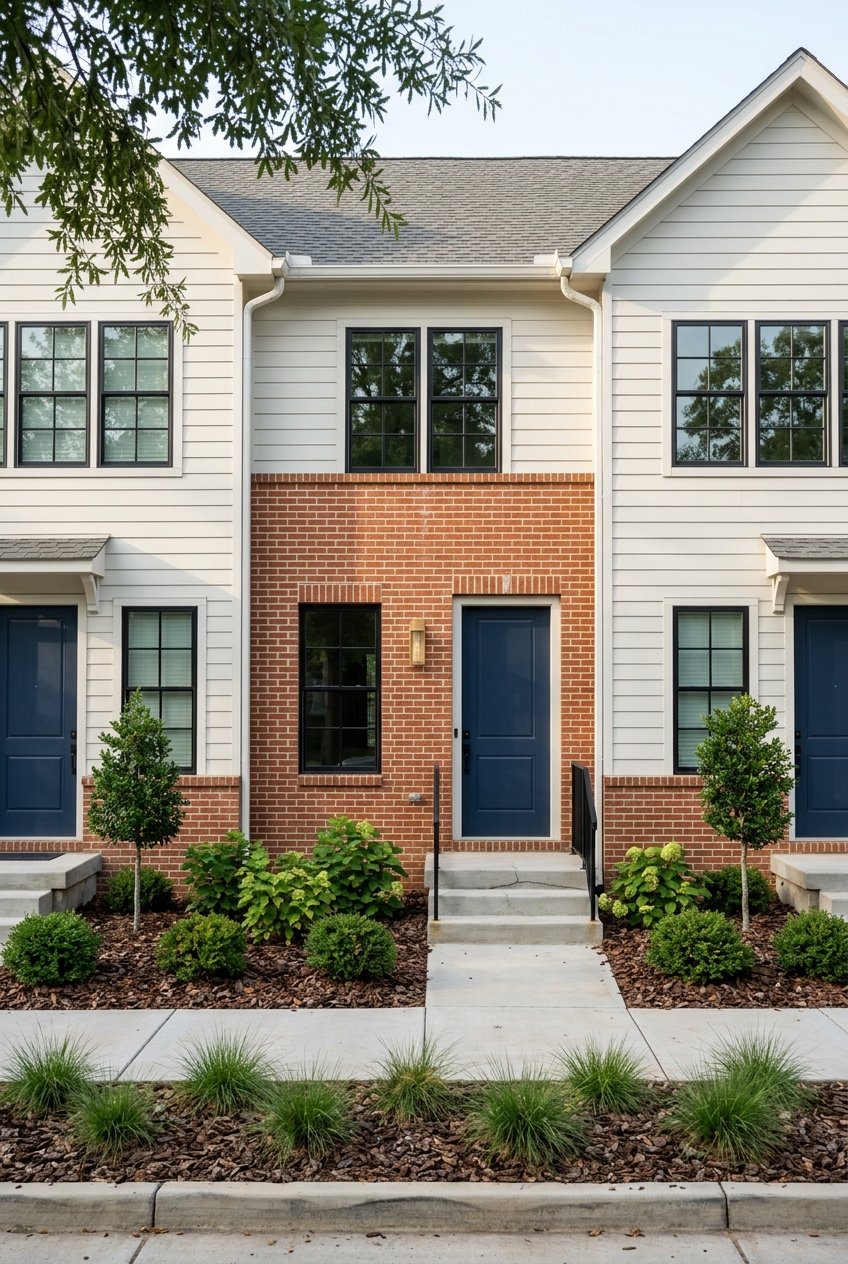
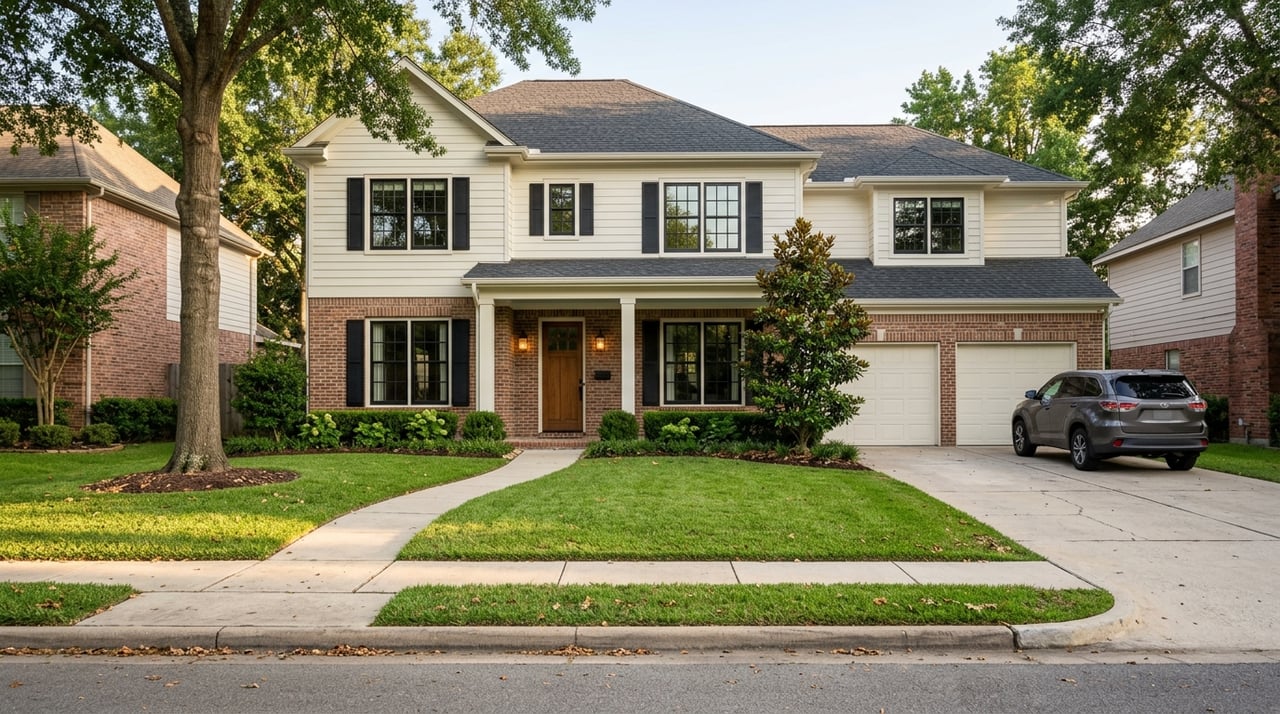
Newer communities in Fuquay-Varina usually offer a different kind of neighborhood experience. Instead of the historic grid and older housing stock, these areas often focus on planned open space, private amenities, and more standardized lot patterns.
Town planning pages show a range of examples. Meadow Bluffs includes single-family lots averaging about 8,083 square feet in its early and later phases, along with 35.15 acres of open space on 92.99 acres.
South Lakes SF-10 includes 75 single-family lots with 21.10 acres of open space on 47.89 acres. Providence Oaks includes 6,000, 7,500, and 9,000 square foot lots, plus at least 25% open space, three pocket parks, a pond trail, and amenities such as a pool, pool house, tot lot, and dog park.
There are also examples of larger homesites. Cotton Farms offers homesites ranging from just over half an acre to more than two acres, with home styles that range from modern farmhouse to traditional and custom designs.
What Daily Life Feels Like In New Communities
In newer neighborhoods, the lifestyle is often shaped by the community layout and shared amenities. Instead of walking into a historic downtown setting, you may spend more of your time enjoying neighborhood trails, open space, ponds, parks, or a pool within the development.
That is one of the biggest differences between Old Town and newer communities. In many new neighborhoods, the subdivision itself is the center of daily life.
Fuquay-Varina also has a strong public parks and trails network that adds to this appeal. The town has 21 parks with more than 300 acres and operates 11 trails and greenways, including the Jeff Wells Trail, Hilltop Needmore trails, and the South Lakes Greenway.
The South Lakes Greenway connects to the Park Depot Trail, Willow Spring High School, South Lakes and Meadow Brook communities, and Honeycutt Road Park. For buyers who want newer construction and easy access to open space, that can be a meaningful advantage.
Old Town Vs New Communities
The easiest way to compare these areas is to think about neighborhood form rather than which one is better. Fuquay-Varina offers two strong but different ways to live.
| Feature | Old Town / Historic Core | New Communities |
|---|---|---|
| Street pattern | Traditional grid streets | Curving subdivision streets and planned layouts |
| Home character | Older homes with architectural variety | Newer homes with more consistent design standards |
| Lot feel | Often mature trees and established lots | Varies by community, from smaller lots to larger homesites |
| Lifestyle focus | Downtown access, local shops, civic spaces | Amenities, open space, trails, and neighborhood features |
| Walkability feel | Generally stronger near downtown | Often depends on proximity to downtown or trail connections |
This is why one buyer may fall in love with a tree-lined historic street near Main Street, while another may prefer a newer home in a planned community with internal amenities. The better choice depends on how you want your everyday routine to work.
How To Choose The Right Fit
If you are deciding between these two settings, start with your habits instead of your wish list. Think about how you want to spend a normal weekday and a normal weekend.
Old Town may be worth a closer look if you are drawn to:
- Older homes with character
- Mature trees and established streets
- A more traditional downtown atmosphere
- Easier access to local shops, dining, parks, and civic spaces
New communities may make more sense if you want:
- Newer construction
- HOA-managed amenities and common areas
- Planned open space, pocket parks, or internal trails
- A neighborhood experience built around the subdivision
There is also an important middle ground. In Fuquay-Varina, some of the most walkable newer options are often the ones closer to downtown or tied into trail networks, while communities farther out may function more as drive-to-everything neighborhoods with strong internal amenities.
Why This Choice Keeps Evolving
Fuquay-Varina is growing, and the old-town-versus-new-community contrast is not static. The town is actively shaping future development through its 2040 land use plan, transportation plan, pedestrian plan, and downtown planning efforts.
That means the line between these two experiences may continue to blur over time. Downtown infill and mixed-use projects are adding housing types in the core, while newer communities continue to expand the town’s suburban options.
For buyers, that is actually good news. It means you have more ways to find the right balance of home style, neighborhood layout, and daily convenience.
If you are weighing Old Town against newer communities in Fuquay-Varina, the best next step is to tour both with a clear eye on lifestyle fit. The right move is not about picking the most popular option. It is about choosing the part of town that matches how you want to live now and in the years ahead.
If you want help comparing neighborhoods, home styles, and day-to-day lifestyle in Fuquay-Varina, Live Raleigh can help you make a confident, informed decision.
FAQs
What is considered Old Town in Fuquay-Varina?
- Old Town usually refers to the historic core around Main Street, Broad Street, and the downtown areas tied to the Fuquay Springs Historic District and Varina’s older commercial center.
What makes new communities in Fuquay-Varina different?
- New communities often focus on newer homes, planned open space, HOA-managed features, and amenities like pools, parks, trails, ponds, and pocket parks.
Are all new neighborhoods in Fuquay-Varina small-lot communities?
- No. Town and community examples show a mix of lot sizes, from more standardized subdivision lots to larger homesites that can be over half an acre or more.
Is downtown Fuquay-Varina still growing?
- Yes. Town planning documents and project pages show continued downtown infill and mixed-use development, including residential, retail, office, and parking projects.
Which part of Fuquay-Varina feels more walkable?
- The town’s pedestrian plan suggests the most naturally walkable areas are generally in and around downtown, while areas outside Judd Parkway are often more suburban and may be less connected to the pedestrian network.
How should buyers compare Old Town and new communities in Fuquay-Varina?
- Start with your lifestyle. If you want historic character and downtown access, focus on the core. If you want newer construction and neighborhood amenities, focus on planned communities and compare how each one connects to parks, trails, and daily destinations.