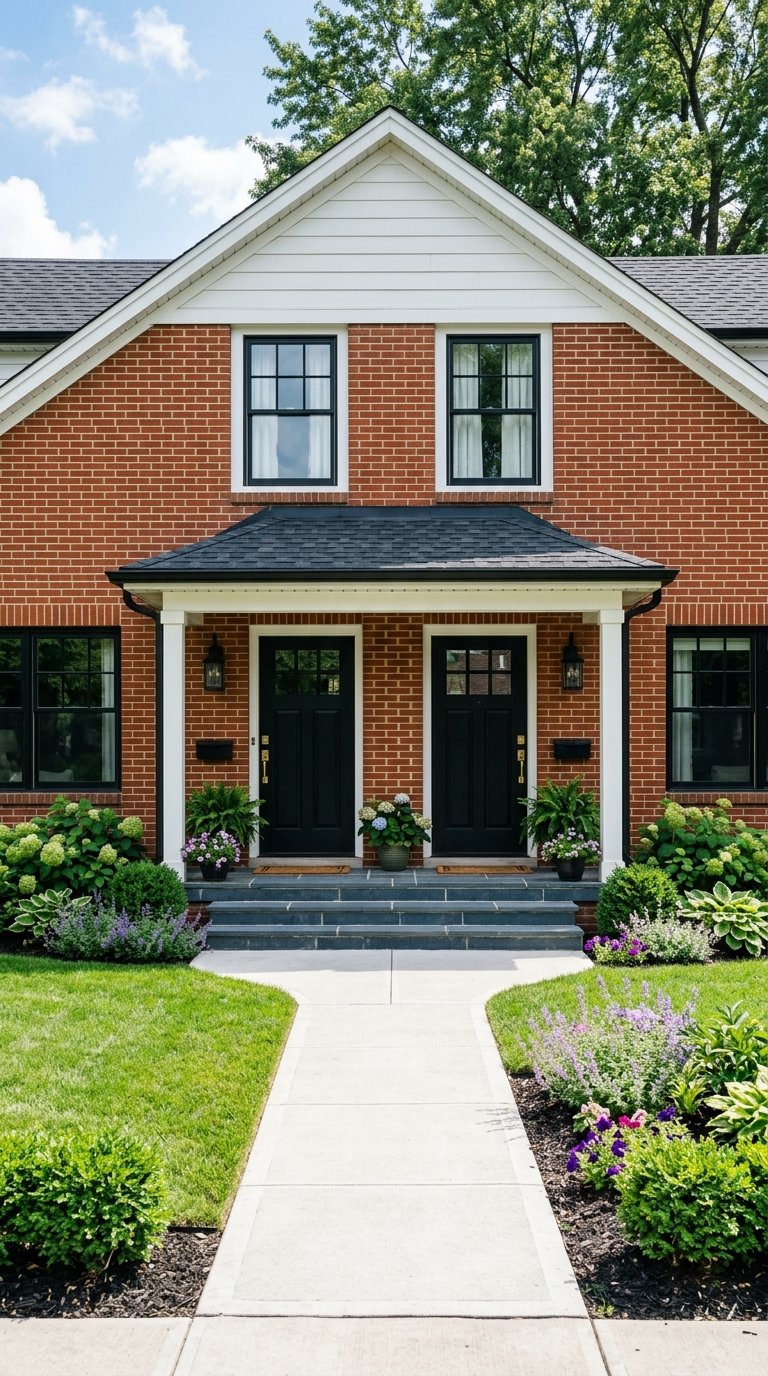
Thinking about buying a rental property in Durham? You are not alone. Durham has a large renter base, steady population growth, and strong demand drivers tied to Duke and downtown, but it is also a market where careful math matters. If you want to start smart, this guide will help you understand pricing, property types, renter demand, and key North Carolina and Durham rules before you make a move. Let’s dive in.
Why Durham draws rental investors
Durham gives you a real renter audience to work with. In Durham County, renters make up 44.3% of occupied households, which points to meaningful long-term rental demand. At the same time, the county population is about 349,500 and households total about 151,600, showing a market that has continued to grow.
The city also has a strong rent and price framework for investors to study. Durham’s median gross rent is $1,508, while the city’s median owner-occupied home value is $392,800. As of March 2026, the city median sale price was $425,000, which gives you a useful benchmark when comparing available properties.
One important reality check is vacancy. Durham County rental vacancy sits at 8.7%, and apartment vacancy is 11.4%. That means demand is real, but you should still underwrite conservatively and avoid assuming your property will lease instantly at top-of-market rent.
Durham prices by property type
If you are just getting started, your first question is usually simple: what can I actually buy? In Durham, the answer depends a lot on property type and location. Smaller investment options can provide a more approachable entry point than larger apartment assets.
Citywide median listing prices show that condos are around $349,000, townhouses are around $365,000, and multi-family properties are around $408,000. In the 27701 area, the median listing price for multi-family property is $435,000, which shows how central location can push pricing higher.
Recent examples help make the range more concrete:
- A condo at 807 W Trinity Ave sold for $255,000
- A duplex at 1304 Holloway St is listed at $240,000
- A four-unit building at 1733 Morehead Ave sold for $627,500
- Another 27701 multi-family listing is priced at $799,900
That spread matters because it shows there is no one-size-fits-all entry path. Your budget, renovation tolerance, financing strategy, and expected cash flow all shape what kind of rental investment makes sense for you.
Common rentals near Duke and downtown
If you are focused on areas near Duke and downtown Durham, the inventory mix tends to look different from what you might expect in larger apartment-heavy cities. Much of the visible for-sale inventory in the core is made up of condos, townhouses, duplexes, triplexes, and fourplexes rather than large apartment buildings.
The 27701 market snapshot gives a helpful look at that mix. In the last month, there were 44 condos, 27 townhouses, and 9 multi-family units for sale. For a new investor, that can be useful because it highlights the kinds of properties you are most likely to evaluate first.
This also means your search should stay flexible. If you only look for one property type, you may miss better opportunities in a nearby category. A well-located condo, townhouse, or small multi-unit property can each serve different investment goals depending on your timeline and risk tolerance.
What drives rental demand in Durham
Duke is one of the clearest reasons Durham continues to attract renters. In fall 2025, Duke reported 17,325 total students, and the university says it employs more than 33,000 people. Duke is also Durham County’s largest employer, which creates a broad base of housing demand tied to education, healthcare, research, and university operations.
Downtown and in-town Durham also benefit from job concentration. The 27701 submarket includes about 18,429 jobs, which helps support demand for rentals close to work, campus, and major activity centers. For many renters, convenience and location are key parts of the decision.
That said, strong demand does not mean you should overestimate income. The local vacancy numbers suggest a healthy but competitive rental environment. A smart investor treats Durham as a market with solid fundamentals, while still planning for turnover, marketing time, and realistic lease-up periods.
How to evaluate your first deal
Starting a rental investment in Durham is not just about finding a property you like. It is about making sure the numbers, location, and legal responsibilities all line up. Before you buy, it helps to walk through a simple evaluation process.
Start with your budget
Decide what purchase range fits your financing and cash reserves. With city median sale prices around $425,000 and county average sold prices around $472,400, you need to be realistic about both your monthly payment and your ability to handle repairs, vacancy, and turnover costs.
If you are looking for a lower entry point, a condo, townhouse, or older duplex may offer more accessible pricing. If you want multiple income streams from one property, a duplex, triplex, or fourplex may be worth exploring, but the upfront cost can rise quickly depending on location and condition.
Match property type to strategy
Different properties solve different problems. A condo may have a lower purchase price, while a small multi-unit property may provide more rental flexibility. A townhouse can sit somewhere in the middle, depending on price and upkeep needs.
Your strategy should answer a few practical questions:
- Do you want one unit or multiple units?
- Are you comfortable with renovation work?
- Do you want a property close to Duke or downtown?
- Are you prioritizing easier management or higher potential income?
Underwrite with conservative assumptions
This is one of the most important steps. Durham has clear demand drivers, but vacancy data shows you should not build your plan on best-case assumptions. Use realistic rent expectations, allow for vacancy, and leave room in your budget for maintenance and compliance costs.
A property can look promising on paper and still become stressful if your estimates are too aggressive. Conservative underwriting gives you a better chance of staying stable when the market shifts or a unit takes longer to lease.
Know North Carolina rental rules
Before you become a landlord, you should understand the state rules that shape how you handle leases, deposits, repairs, and late fees. These are not small details. They affect your day-to-day operations and your risk exposure.
Security deposit rules
North Carolina requires residential security deposits to be held in a trust account or backed by an allowed bond. Within 30 days of the lease start, the tenant must be told where the deposit is being held or what bond is in place.
Deposit caps depend on lease length:
- 2 weeks’ rent for week-to-week leases
- 1.5 months’ rent for month-to-month leases
- 2 months’ rent for longer leases
When the tenancy ends, you must itemize damages and return the balance within 30 days. If the claim cannot be fully resolved in that period, you must send an interim accounting within 30 days and a final accounting within 60 days.
Late fee limits
North Carolina limits monthly late fees to $15 or 5% of monthly rent. The fee can be charged only once for each late payment, and only after rent is at least five days late. If you plan to self-manage, this is one of those rules you need to build into your lease process from day one.
Habitability and repairs
Landlords in North Carolina must keep rental property fit and habitable. That includes maintaining common areas and making prompt repairs to building systems and appliances after written notice. Landlords must also provide operable smoke alarms and carbon monoxide alarms.
Tenants also carry responsibilities, including keeping the unit clean and safe and not disabling alarms. The key takeaway for you as an investor is simple: maintenance is not optional. It is part of running a compliant rental property.
Durham rules you should not ignore
Durham adds its own local enforcement layer, and this matters when you are evaluating risk. A property’s condition can affect more than repair costs. It can also trigger city oversight and penalties.
Durham’s Proactive Rental Inspection Program applies to all residential rental properties in the city. If a property has three or more Minimum Housing Code violations in the prior year, it must register with Neighborhood Improvement Services, and properties in the designated area are subject to proactive inspections.
The city also enforces local fair housing rules through its Human Relations Division. In addition, unresolved code violations can lead to a $250 administrative fee plus $300 per month in civil penalties until the property is back in compliance. For investors, that makes due diligence on property condition especially important before closing.
A practical Durham investment approach
If you are entering this market for the first time, a measured approach usually works best. Durham has a strong story, but it is not a market where you should skip the details. The best first investment is often the one you can understand, afford, and operate well.
A smart approach may include:
- Focusing on small residential properties you can evaluate clearly
- Comparing condos, townhouses, and small multi-family options
- Using vacancy assumptions that reflect the actual market
- Reviewing property condition closely before you buy
- Planning for compliance with both North Carolina and Durham rules
That kind of preparation helps you avoid chasing a deal that looks exciting but performs poorly in real life. It also puts you in a better position to make confident, long-term decisions.
If you are weighing your options in Durham, having a local guide can make the process much clearer. At Live Raleigh, we take an education-first approach to help you compare neighborhoods, property types, and real numbers so you can move forward with confidence.
FAQs
What is the median rent in Durham for rental property planning?
- Durham’s city median gross rent is $1,508, which can serve as a starting benchmark when you begin analyzing potential rental income.
What is the median home price in Durham for investors?
- Durham’s city median sale price was $425,000 in March 2026, while the city median owner-occupied value was $392,800.
What property types are common near Duke and downtown Durham?
- Near Duke and downtown, you are more likely to find condos, townhouses, duplexes, triplexes, and fourplexes than large apartment buildings.
What vacancy rate should Durham rental investors keep in mind?
- Durham County rental vacancy is 8.7%, and apartment vacancy is 11.4%, so conservative lease-up assumptions are wise.
What security deposit rules apply to Durham rentals in North Carolina?
- North Carolina requires residential security deposits to be held in a trust account or backed by an allowed bond, with written notice to the tenant within 30 days, and deposit caps based on lease length.
What Durham rental inspection rules should new landlords know?
- Durham’s Proactive Rental Inspection Program applies to residential rental properties in the city, and properties with three or more Minimum Housing Code violations in the prior year must register with Neighborhood Improvement Services.